
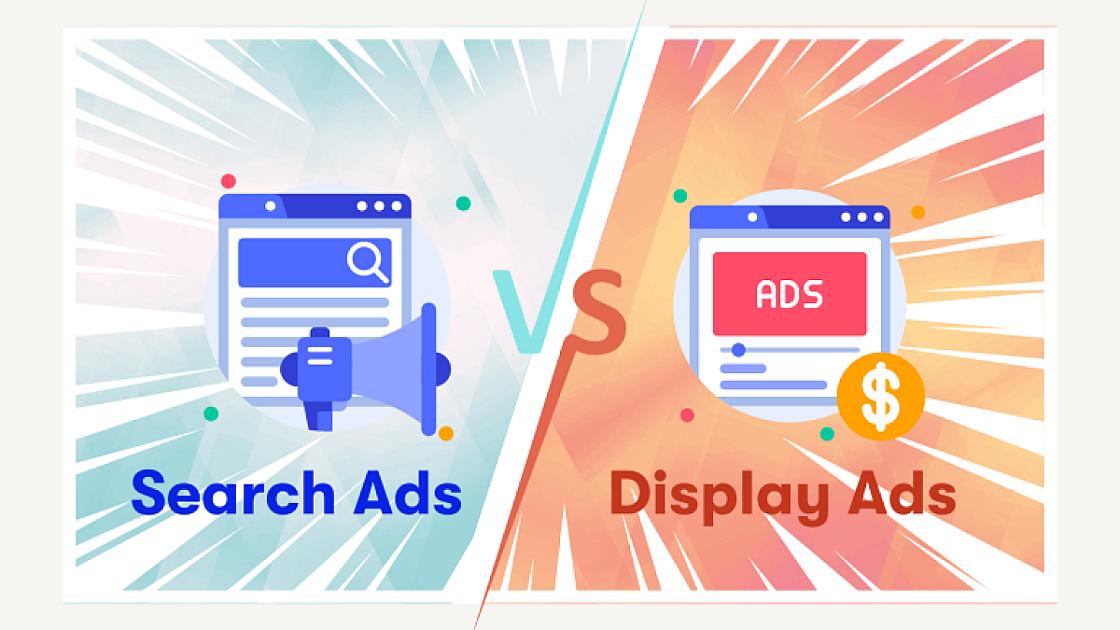
Search and display advertising are often discussed as alternatives, but they serve fundamentally different roles in a digital marketing program. Understanding the strengths, limitations, and appropriate use cases for each channel — and how to combine them effectively — is essential for building a complete paid advertising strategy.
How Search Advertising Works
Search advertising reaches users at the moment of active intent. When someone searches for 'best running shoes for flat feet,' they are telling you exactly what they want, right now. Search advertising captures this expressed intent and places your ad directly in front of these high-intent users.
This intent-based model makes search advertising among the most direct-response-efficient channels available. Users who click search ads are actively looking for what you sell — which produces conversion rates that typically outperform other digital channels.
The limitations: search advertising is constrained by existing demand. If nobody is searching for your product category, there's no search volume to capture. Search can't create demand — it can only capture it.
How Display Advertising Works
Display advertising reaches users across a network of websites and apps based on their demographic characteristics, interests, past behavior, or the context of the page they're reading. Unlike search, users seeing display ads weren't necessarily actively looking for what you're advertising.
Display's strength is reach and demand creation. It can introduce your brand to audiences who don't yet know they need what you sell, build brand awareness and recall, and keep your brand visible to prospects throughout their purchase journey.
The limitations: display advertising generally has lower direct-response conversion rates than search because it interrupts users rather than meeting expressed intent. It requires strong creative to earn attention, and it's more susceptible to ad fraud.
When to Use Search Advertising
Search advertising excels when:
Significant search volume exists for your product or service category. You can verify this with Google's Keyword Planner.
You're targeting high-intent, decision-stage buyers who are ready to purchase or contact a business.
Your offering is something people actively look for (plumber, accountant, specific software category) rather than something they discover through browsing.
You need direct-response results — leads, purchases, or sign-ups — with clear attribution.
Your budget is limited and efficiency is paramount. Search's intent-based model typically delivers better ROAS on limited budgets than display.
When to Use Display Advertising
Display advertising excels when:
You need to build awareness for a new product category or brand that people aren't actively searching for yet.
You want to maintain brand visibility during long consideration cycles. Seeing your brand repeatedly across the web builds familiarity and trust.
You're retargeting: Display retargeting is one of the most efficient uses of display budget — reaching warm audiences who already know your brand.
You have a visually compelling product or brand story that benefits from rich visual presentation.
You want to reach audiences defined by interests or demographics rather than search intent.
The Integrated Approach: Search and Display Together
The highest-performing digital advertising programs integrate search and display in a coordinated strategy:
Display for awareness, search for conversion: Use display to introduce your brand and create familiarity, then capture the resulting search demand with optimized search campaigns.
RLSA (Remarketing Lists for Search Ads): Use display audiences to modify search bids. Bid higher on searches from users who have already visited your site — they've demonstrated intent plus interest.
Display retargeting to support search: Show display ads to users who clicked your search ads but didn't convert — maintaining brand presence as they continue their research process.