
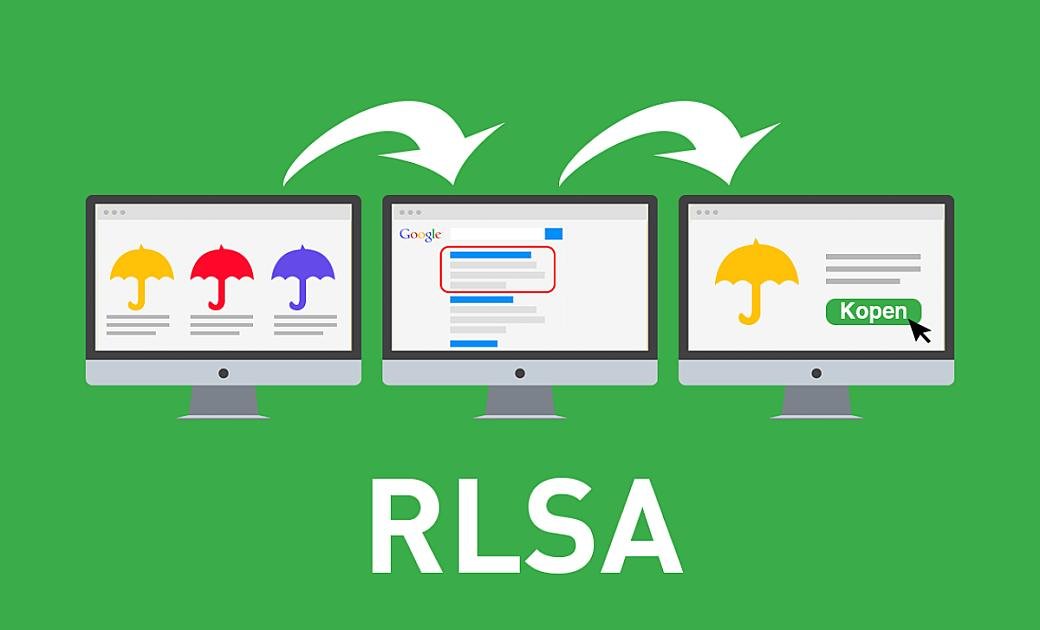
Remarketing Lists for Search Ads (RLSA) is one of Google Ads' most powerful and underutilized features. By combining the purchase intent signals of search advertising with the audience quality signals of remarketing, RLSA allows advertisers to bid differently for search queries based on who is searching — creating a more efficient and effective search advertising strategy.
What Are Remarketing Lists for Search Ads?
RLSA allows you to apply audience lists from your website visitors to your Google search campaigns. Instead of bidding the same amount for every person who searches a keyword, you can bid higher for users you know have previously visited your site, viewed specific products, or abandoned a cart.
The key insight: when someone who visited your website and spent 10 minutes browsing your products then searches for your category keyword, they are far more likely to convert than a first-time searcher. RLSA allows you to recognize this difference and bid accordingly.
RLSA Audience Types and Their Value
All website visitors: The broadest RLSA audience. Shows you have some prior interest in your brand or category. Moderate bid adjustment (10–20% increase) appropriate.
Specific page visitors: Users who viewed your pricing page, a specific product category, or your contact page. Higher intent signals — warrant higher bid adjustments (20–40%).
Cart abandoners: Users who added items to cart but didn't purchase. Extremely high intent — most valuable RLSA audience. Bid adjustments of 50–100% or higher can be justified.
Past purchasers: Existing customers. Depending on your product and repurchase cycle, past purchasers may be your most valuable or least valuable search audience. Use carefully based on your repurchase economics.
Engagement-based audiences: Email subscribers, video viewers, or users who spent a defined minimum time on your site — all signal above-average engagement.
RLSA Bidding Strategies
Bid adjustment only (layering): The most common RLSA approach. Add audience lists to existing campaigns as 'Observation' mode and apply bid adjustments for each audience. Your ads still serve to everyone, but you bid more for known audiences.
Audience targeting (Target and Bid): Run campaigns that only serve to your RLSA audiences. More restrictive but enables completely different ad copy and landing pages optimized for returning visitors.
Keyword expansion with RLSA: Use broader match keywords that you wouldn't normally bid on, but restrict them to RLSA audiences. 'Shoes' is too broad for general targeting, but for past purchasers of running shoes, it's a valuable query to capture.
Advanced RLSA Applications
RLSA + Competitor keywords: Bid on competitor branded keywords, but only for users who have previously visited your site. These users already know your brand — a well-timed competitor keyword ad can win the comparison.
Cross-sell campaigns with RLSA: Target users who purchased product category A with ads for product category B. This is search-based cross-selling at scale.
RLSA for budget optimization: During periods of budget constraint, use RLSA to concentrate spend on high-value audiences while reducing bids for cold audiences. This maintains efficiency when total budget is limited.
Building RLSA Infrastructure
Effective RLSA requires well-structured audience infrastructure:
Implement Google Ads remarketing tag or Google Analytics 4 audience import early. The more historical data your audiences contain, the more powerful RLSA becomes.
Create audience segments for each stage of your customer journey: first visit, multiple visits, specific page visits, cart addition, checkout initiation, and purchase.
Set appropriate membership durations: Cart abandonment lists should be 7–14 days (high intent fades quickly). General visitor lists can be 30–90 days. Past purchaser lists should span your average repurchase cycle.