
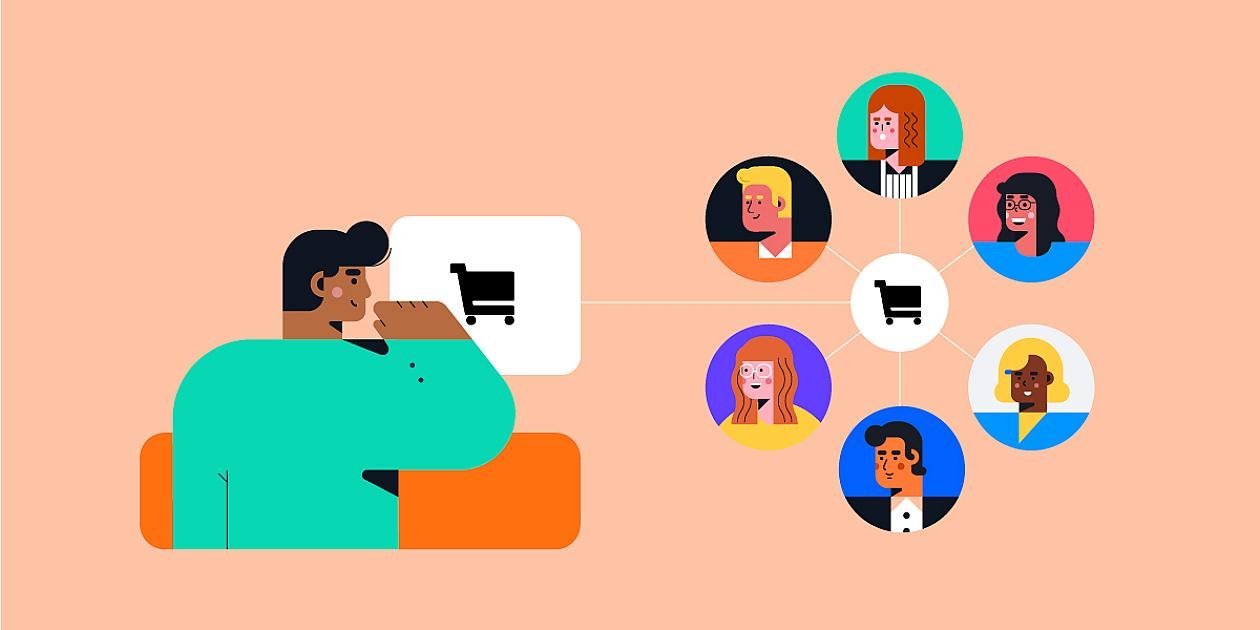
Lookalike audiences are one of the most powerful tools available to performance marketers. By analyzing the characteristics of your best existing customers and finding new users with similar profiles, platforms like Meta, Google, TikTok, and LinkedIn can dramatically accelerate customer acquisition at scale. Mastering lookalike audience strategy is a fundamental skill for any media buyer operating at scale.
How Lookalike Audiences Work
A lookalike audience is created by giving a platform a 'seed audience' — a group of your best existing customers, most valuable users, or highest-intent visitors. The platform's algorithm analyzes the characteristics of this seed audience and identifies new users with similar profiles.
The quality of your lookalike audience is entirely determined by the quality of your seed audience. A seed audience of 500 highly engaged recent purchasers will produce a far better lookalike than a seed of 50,000 casual site visitors.
Seed Audience Selection: The Critical Variable
Customer purchase data: Your highest-converting seed audience. Upload a list of recent customers (especially high-LTV customers) for the best lookalike quality.
Subscription and lead list: Email subscribers, especially engaged ones who regularly open and click, are strong seed audiences for lead generation campaigns.
Top-of-funnel video viewers: For campaigns where purchase data is unavailable, video viewers (particularly those who watched 75–95% of a video) make strong seed audiences.
Checkout initiators: Users who began but didn't complete checkout are high-intent seeds that capture purchase-ready behaviors.
Rule: Seed audiences of 1,000–10,000 highly specific users typically outperform much larger, less specific seeds.
Lookalike Audience Percentages and Scaling
On Meta, lookalike audiences are created as a percentage of a country's population: 1% lookalikes are the most similar to your seed (smallest, highest quality), while 10% are the broadest (largest, lower similarity).
Always start with 1% lookalikes. These are your most efficient prospecting audiences and should receive the majority of your prospecting budget.
As 1% audiences saturate or fatigue, expand to 2–3%. Continue this pattern as scale increases.
Stacking: Some advertisers create a single audience that combines 1–3% or 1–5% lookalikes. This provides more volume while maintaining reasonable similarity to the seed.
Platform-Specific Lookalike Strategies
Meta: The most developed lookalike system. Use Advantage+ Audience (Meta's AI-driven version) alongside custom lookalikes for maximum coverage.
Google: Similar Audiences were deprecated, but Customer Match and optimized targeting provide comparable functionality within campaign delivery.
TikTok: Custom Audience lookalikes work similarly to Meta. TikTok's Creative Center data can help identify content that resonates with lookalike audiences.
LinkedIn: LinkedIn's lookalike audiences are particularly valuable for B2B targeting, using professional data to match company size, job function, and industry.
Refreshing and Maintaining Lookalike Performance
Lookalike audiences decay over time as your customer base changes. Refresh your seed audiences at least quarterly — and more frequently if your customer acquisition is high-volume.
Monitor overlap: As campaigns scale, audience overlap between different lookalike percentages can create internal competition. Use Meta's Audience Overlap tool to check and separate overlapping audiences.
Exclude existing customers: Always exclude your existing customer list from lookalike campaigns to avoid wasting budget on people who already converted.