
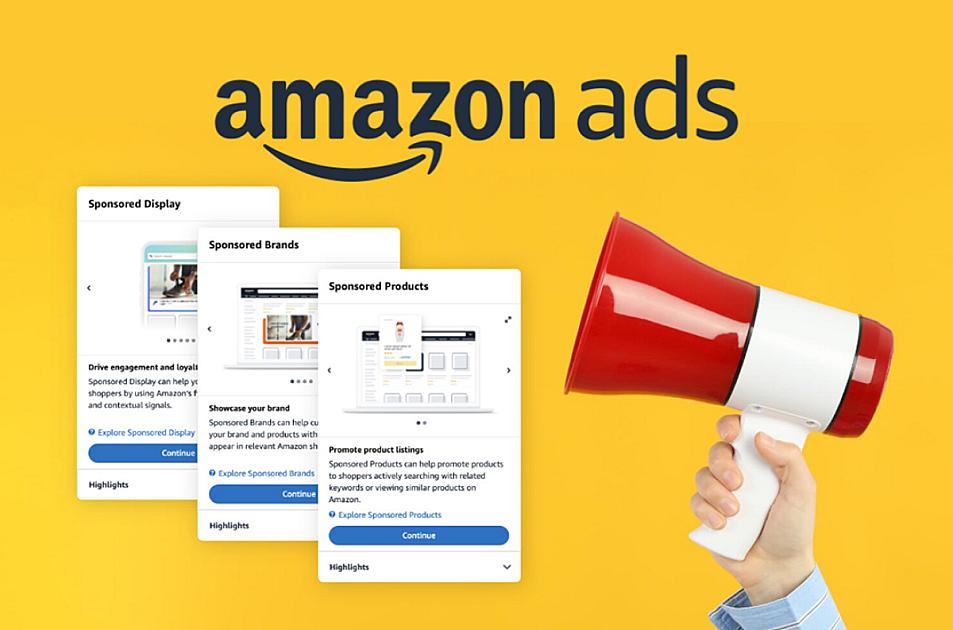
Amazon is no longer just an eCommerce platform — it is one of the largest advertising businesses in the world. Amazon Advertising's unique advantage is that it reaches consumers at the moment of highest purchase intent: when they are literally searching for products to buy. For brands selling on Amazon or seeking high-purchase-intent audiences, Amazon Advertising is an essential channel that deserves dedicated investment and infrastructure.
The Amazon Advertising Advantage
Amazon's advertising model is fundamentally different from other platforms. On Google, you target people who might be interested in buying. On Amazon, you target people who are actively searching for products to purchase right now — with payment information already saved and a one-click purchase option.
This intent concentration makes Amazon one of the highest-converting advertising environments available. Average conversion rates on Amazon are 3–5x higher than comparable keyword campaigns on Google for product-based advertisers.
Amazon Advertising Product Suite
Sponsored Products: The most widely used format — keyword-targeted ads that appear within search results and product pages. The foundation of most Amazon advertising strategies.
Sponsored Brands: Banner-style ads featuring your brand logo and multiple products, appearing at the top of search results. Powerful for brand building and cross-product promotion.
Sponsored Display: Display-style ads that reach audiences both on and off Amazon, including retargeting for shoppers who viewed your products.
Amazon DSP: Amazon's demand-side platform for programmatic display and video advertising, with access to Amazon's first-party audience data across the broader internet.
Stores: Free, multi-page brand storefronts within Amazon that serve as landing pages for Sponsored Brand campaigns.
Account Structure for Amazon Advertising Success
Campaign organization is critical on Amazon. A well-structured account separates branded, category, competitor, and product-specific campaigns into distinct campaign groups.
Use a combination of automatic and manual targeting campaigns: automatic campaigns discover new converting keywords; manual campaigns capture and scale proven winners with precise bid control.
Implement a regular search term harvesting process: weekly review of automatic campaign search term reports to identify new keywords to add to manual campaigns.
Amazon Advertising Metrics That Matter
ACoS (Advertising Cost of Sale): The primary Amazon metric — ad spend divided by ad-attributed revenue. Lower ACoS means more efficient advertising.
TACoS (Total Advertising Cost of Sale): Ad spend divided by total revenue, including both organic and paid. A more complete picture of advertising's real impact on business.
ROAS: Return on ad spend — the inverse of ACoS, expressed as revenue per dollar spent.
Organic rank impact: Amazon advertising spend influences organic search ranking. This halo effect means that paid campaigns often have a business impact beyond direct ad revenue.
Scaling Amazon Advertising Profitably
Start with your best-selling products: Advertise items with proven conversion rates before expanding to new listings.
Protect your brand terms: Always run branded keyword campaigns at low bids to prevent competitors from capturing your brand searches.
Seasonal budget planning: Amazon's traffic spikes dramatically around Prime Day, Black Friday, and Q4. Pre-fund your accounts and increase bids ahead of these windows.
Use portfolio budgets: Amazon's portfolio feature allows you to set campaign budgets across groups of campaigns — essential for managing spend across large account structures.