
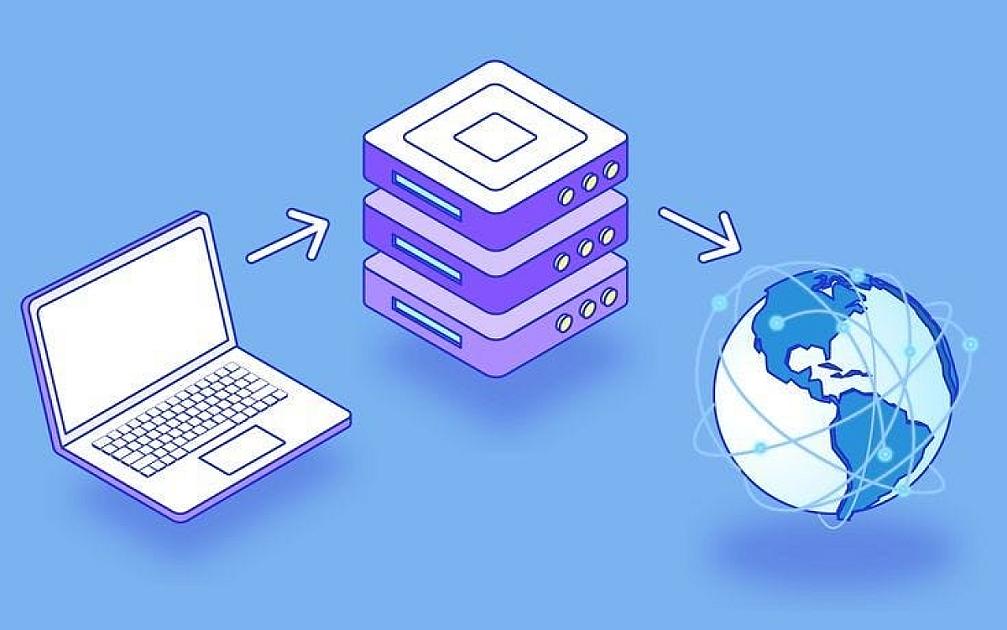
Proxies are foundational infrastructure for any multi-account advertising operation. Without the right proxy setup, even the best anti-detect browser and most carefully maintained accounts will trigger platform detection systems. But not all proxies are created equal — the type, quality, and configuration of your proxy directly determines the stability and longevity of your advertising accounts.
Why Proxies Matter for Advertisers
Every advertising platform logs the IP address from which accounts are accessed. When multiple accounts share the same IP — even temporarily — platform systems flag this as suspicious activity consistent with multi-account operations.
Proxies solve this by giving each account a unique, realistic IP address. But the quality of that IP address matters enormously. A datacenter IP looks nothing like a residential connection to a sophisticated detection system — and modern platforms are very sophisticated.
Datacenter Proxies: Fast but Detectable
Datacenter proxies are IP addresses hosted in commercial data centers — cloud providers like AWS, Google Cloud, or DigitalOcean. They are fast, reliable, cheap, and widely available.
The problem: datacenter IP ranges are publicly known. Advertising platforms, fraud detection systems, and even basic IP reputation tools can immediately identify a datacenter IP and treat it with higher suspicion than a residential connection.
Use cases for datacenter proxies: scraping, bulk account creation at low cost, platforms with less sophisticated detection, or as a temporary measure when higher-quality proxies are unavailable.
Residential Proxies: The Advertiser's Standard
Residential proxies route your traffic through real consumer devices — home internet connections assigned by ISPs to actual residential customers. To any detection system, a residential IP looks indistinguishable from a regular home user's connection.
Because residential IPs are associated with real people in real locations, they carry inherent trust that datacenter IPs simply cannot replicate. This makes them the standard choice for serious advertising account management.
The tradeoff: residential proxies are more expensive than datacenter proxies and can be slower due to the routing through consumer devices. But for account longevity and platform trust, the premium is absolutely worth it.
Mobile Proxies: The Premium Option
Mobile proxies route traffic through real mobile devices on cellular networks (4G/5G). Mobile IPs are the most trusted proxy type for advertising platforms for a key reason: carrier-grade NAT (CGNAT) means that millions of real users legitimately share the same mobile IP address ranges.
Because platforms cannot flag mobile IPs for being shared (since they always are), mobile proxies offer an additional layer of detection resistance over residential proxies. For the most aggressive multi-account operations on the most sensitive platforms, mobile proxies are the gold standard.
The tradeoff: mobile proxies are the most expensive proxy type. Use them where security is paramount — your highest-value, most sensitive accounts.
Choosing and Configuring Proxies for Your Operation
Country matching: Always use proxies from the same country as the account's registration and billing location. Geographic inconsistency is a major trust signal.
Proxy rotation: For web scraping or automated tasks, rotating proxies cycle through many IPs. For account management, static or sticky session proxies that maintain the same IP consistently are preferred.
Proxy testing: Before assigning a proxy to an account, test it for IP reputation using tools like IPQualityScore or Scamalytics. A proxy with a poor reputation history will undermine your account even if it's technically residential.