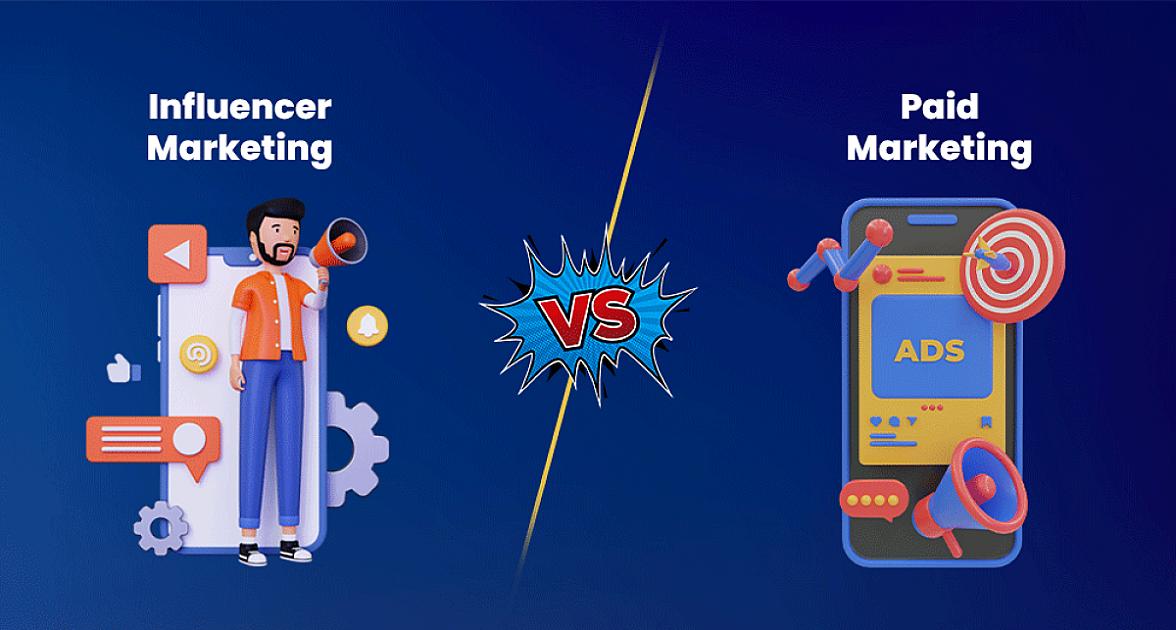
Influencer marketing and paid advertising are often positioned as alternatives competing for the same marketing budget. The reality is more nuanced — they're complementary channels with different strengths, operating at different stages of the customer relationship. Understanding the true advantages of each, and how to combine them strategically, is one of the most valuable marketing skills in the current digital landscape.
What Influencer Marketing Does That Paid Ads Can't
Trust transfer: When a creator with an authentic relationship with their audience recommends a product, that recommendation carries genuine social credibility. This trust transfer is something no paid ad, no matter how well targeted, can fully replicate.
Content creation at scale: A well-managed influencer program creates far more content than any internal team could produce — and that content can be repurposed for paid advertising (with appropriate licensing agreements).
Audience access: Reaching the tight-knit communities around specific creators is often impossible through standard platform targeting. The 25,000 highly engaged followers of a niche micro-influencer may be worth more than a Meta audience of 5 million.
Algorithm bypass: Organic influencer content on platforms like TikTok and Instagram can achieve massive reach through algorithmic distribution that paid ads cannot replicate — particularly for content that goes genuinely viral.
What Paid Ads Do That Influencer Marketing Can't
Predictability and control: Paid advertising delivers predictable, measurable results that can be optimized in real time. Influencer marketing outcomes are inherently variable — a campaign can underperform or overperform based on factors outside your control.
Speed to scale: A paid campaign can reach millions of targeted users within days of launch. Building influencer relationships and launching programs takes weeks or months.
Precise targeting: Paid advertising lets you reach specific audience segments with precision that influencer audiences can't match. A creator's audience demographics are approximate; paid targeting is exact.
Attribution clarity: Paid campaign attribution, while imperfect, is far cleaner than influencer marketing attribution. Tracking the business impact of influencer content requires dedicated tools and methodologies.
The Paid Social + Influencer Integration: Spark Ads and Whitelisting
The most powerful synergy between influencer content and paid advertising comes through amplification:
TikTok Spark Ads: Allow brands to promote organic creator posts as paid ads. The ad runs from the creator's account (maintaining authenticity) while the brand controls targeting and budget.
Meta Whitelisting (Partnership Ads): Influencer content boosted as paid ads from the creator's profile. Maintains creator attribution while enabling precise targeting beyond the creator's organic audience.
This approach combines the trust and authenticity of organic creator content with the scale and targeting precision of paid advertising — a combination that consistently outperforms either approach in isolation.
Building a UGC Creator Program for Paid Ads
Beyond traditional influencer partnerships, many high-performing brands build dedicated UGC creator programs — sourcing authentic-style video content from creators who never post it organically on their own channels.
UGC creators produce videos that look like organic social content — unboxings, testimonials, tutorials, reaction videos — at a fraction of the cost of traditional video production. This content is used exclusively as paid ad creative.
The advantage: authentic-looking content that performs like organic UGC in paid advertising, at scale, with full creative control and usage rights.
Platforms like Billo, Insense, and Minisocial connect brands with UGC creators at various production volumes and price points.
Budget Allocation Between Influencer and Paid
For most brands, the optimal budget split between influencer and paid advertising depends on the brand's stage:
Early stage: Prioritize paid advertising for its predictability and data generation. Explore micro-influencer partnerships at low cost to build social proof assets (testimonial content) that improve paid ad performance.
Growth stage: Expand influencer program to build brand awareness and generate UGC content volume. Use Spark Ads and whitelisting to amplify the best influencer content with paid budget.
Scale stage: A full creator program with dedicated paid amplification of winning content. Influencer content should be feeding the paid advertising creative pipeline continuously at this stage.